
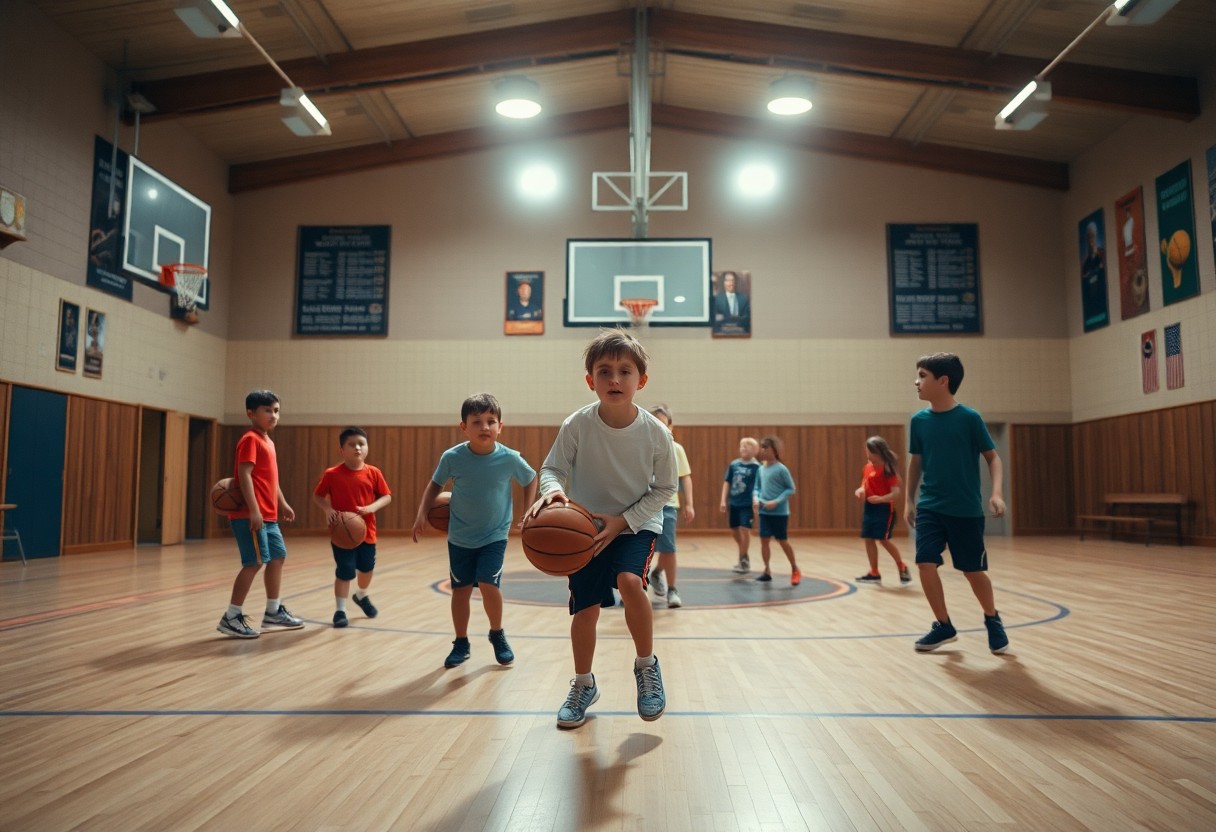
Sports offer numerous benefits for kids in Brampton, enhancing their physical fitness, social skills, and mental health. By engaging in sports throughout the year, you can help your children develop discipline, teamwork, and resilience while keeping them active and focused. In a city rich with facilities and opportunities, understanding the advantages of year-round sports participation can lead to a healthier and happier lifestyle for your family.
The Year-Round Advantage: Seasonal Sports in Brampton
Participating in seasonal sports in Brampton ensures that your child experiences a variety of physical activities, adapting to different weather conditions while developing diverse athletic skills. Each season brings unique options, from hockey and skiing in winter to soccer and baseball in summer. This variety keeps your child engaged and helps them learn new techniques that might not be available with a single sport, fostering well-rounded athleticism and preventing burnout.
Impact of Seasonal Variation on Athletic Skills
Engaging in seasonal sports enhances your child’s athletic skills through exposure to varied training methods and gameplay dynamics. Each sport targets different muscle groups and requires distinct strategies, allowing your child to develop agility, coordination, and resilience. For example, winter sports like skating improve balance, while summer sports build endurance and speed. This diversification strengthens overall athletic performance and prepares your child for challenges in various sports.
Continued Engagement and Retention of Interest
Switching between seasonal sports helps to maintain your child’s interest and motivation in physical activities. Changing environments, new teammates, and different competitiveness provide fresh experiences that prevent monotony. Kids often thrive in dynamic situations, and seasonal sports offer this vibrant change that keeps them excited about participating in sports without losing momentum.
Maintaining engagement throughout the year is crucial for your child’s development. When they transition from one sport to another with the changing seasons, they not only reinforce their skills but also draw connections between different disciplines. This constant novelty stimulates curiosity and encourages a lifelong passion for sports. Case studies show that children involved in varied athletic experiences display higher rates of continued participation in sports beyond adolescence, forging a path toward a healthier lifestyle and sustained social connections.
Building Essential Life Skills Through Sports
Engaging in sports year-round not only boosts physical fitness but also cultivates vital life skills that benefit kids beyond the playing field. Your child learns to navigate challenges, embrace teamwork, and build confidence while participating in various sports activities. These experiences foster personal growth, preparing them for future academic and social endeavors in everyday life.
Teamwork and Social Interaction Development
Sports serve as a platform for your child to develop teamwork and social skills. Collaborating with teammates enhances communication and trust, necessary for building lasting relationships. You’ll notice your child forming friendships and learning to appreciate diverse perspectives as they work towards common goals during games and practices.
Leadership and Resilience: Lessons Learned on the Field
Sports provide your child with opportunities to take on leadership roles while overcoming adversity. Facing setbacks during a game teaches resilience, a crucial quality that benefits their personal and academic life. As they learn to motivate others and adapt to challenges, they emerge with greater self-assurance and determination.
Sports environments often put your child in situations where leadership is necessary, such as calling plays or encouraging teammates during tough games. Experiencing wins and losses cultivates a sense of resilience; they understand that failure is a part of growth. For example, a study by the National Youth Sports Strategy found that 65% of youth athletes reported improved coping skills as a direct result of participating in sports. This not only helps them face challenges in sports but also equips them with tools to navigate life’s ups and downs, fostering a generation of adaptable, strong leaders.
Health Benefits of Year-Round Sports Participation
Physical Fitness and Improved Well-Being
Participating in sports throughout the year enhances your child’s physical fitness levels significantly. Engaging in regular physical activity helps strengthen muscles, improve cardiovascular health, and build endurance. Studies show that children who play sports are less likely to be overweight and are more likely to maintain a healthy body mass index (BMI). Additionally, consistent activity fosters lifelong habits that lead to overall well-being, ensuring your child enjoys a healthier lifestyle now and in the future.
Mental Health: Stress Relief and Emotional Stability
Regular involvement in sports provides your child with an effective outlet for stress relief and contributes to emotional stability. The physical activity involved releases endorphins, commonly known as “feel-good” hormones, which combat anxiety and depression while boosting mood. Engaging with teammates and participating in competitions also enhances social skills, providing a support network that fosters resilience and coping strategies.
Through the lens of mental health, the benefits of year-round sports participation extend beyond physical fitness. Kids often face various stressors, whether related to academics, social dynamics, or family life. Sports create a structured environment where they can channel their emotions positively, leading to improved self-esteem and confidence. Team sports, in particular, allow children to forge friendships, offering emotional support and a sense of belonging, crucial for emotional development during formative years.
Community and Cultural Enrichment Through Sports
Sports nurture a sense of belonging within the Brampton community. By engaging in team activities and events, your child can connect with local culture and heritage, fostering pride and inclusion. They’re not just playing a game; they’re participating in a vibrant tapestry that’s rich with diverse traditions and values, helping to shape their identity and worldview.
Opportunities for Diverse Social Connections
Joining sports teams allows your child to interact with peers from various backgrounds, enhancing their social development. These interactions promote empathy, respect, and collaboration, as they learn to navigate differences and forge friendships that extend beyond the field.
Bridging Generational Gaps via Family Involvement
Having family members involved in sports activities creates a unique bonding experience. Whether cheering from the sidelines or participating in family tournaments, these moments allow you to share values of teamwork and resilience across generations, strengthening family ties.
Bridging generational gaps through sports fosters shared experiences that enhance understanding and connection within families. Engaging together in activities, such as attending games or playing casual matches, creates lasting memories and conversations about sportsmanship, perseverance, and the importance of physical health. You can teach your child lessons learned through your own experiences while they share their fresh perspectives, creating a rich dialogue that connects past and present generations. Such engagement not only promotes a healthy lifestyle but also builds a foundation of support and encouragement that endures beyond the playing field.
Balancing Academic Life and Sports
Engaging in sports while managing academic responsibilities teaches kids valuable lessons in prioritization and discipline. The structure of regular practice and game schedules fosters a routine that encourages efficient study habits, ultimately helping students find a harmonious balance between schoolwork and athletic commitments. As they navigate these dual demands, your child develops resilience and adaptability, equipping them to face future challenges both in academics and beyond.
Time Management Skills Cultivated Through Sports
Participating in sports requires you to plan your time around practices, games, and school assignments. This practice sharpens your time management skills significantly. Many young athletes learn to allocate their hours effectively, ensuring that they maintain performance in both their sports and academic pursuits. Over time, this disciplined approach to scheduling leads to a stronger work ethic and better organizational abilities.
Academic Performance Correlation with Athletic Participation
Research indicates a strong correlation between athletic participation and improved academic performance. Athletes often exhibit higher GPA levels compared to non-athletes, as physical activity stimulates cognitive functions, enhances concentration, and fosters goal-setting skills. Engaging in sports has been shown to boost self-esteem and motivation, all of which contribute positively to academic outcomes.
Studies show that student-athletes typically outperform non-athletes academically, with many achieving higher GPAs and standardized test scores. For instance, a study by the NCAA revealed that student-athletes had a graduation rate of 88%, favorably contrasting the national average of 66% for all students. This pattern illustrates that the discipline learned through sports directly benefits academic achievement, as students who engage in athletics often develop better focus and time management skills, which are vital for classroom success. By maintaining an active lifestyle, your child not only improves their physical health but also cultivates a mindset oriented towards achievement in their studies.
To Wrap Up
Now that you understand the top reasons why kids should play sports in Brampton all year round, you can appreciate the benefits that extend beyond just physical fitness. Engaging in sports fosters teamwork, discipline, and social skills while providing a structured environment for your child’s growth. By encouraging your child to participate year-round, you are not only enhancing their athletic abilities but also supporting their emotional and psychological development. These experiences can lead to a healthier, happier life, shaping well-rounded individuals who will thrive on and off the field.
