
There’s a growing demand in Brampton for skilled coaches who can guide young athletes through technique, teamwork, and personal growth; when you teach sports here you shape community fitness, character, and future champions by applying proven training methods, safety standards, and inclusive practices while building trust with families and schools, ensuring your impact extends beyond wins to lifelong confidence and healthy habits.
The Importance of Youth Sports
Playing sports gives you a structured way to develop fitness, teamwork, and discipline while filling afternoons with purposeful activity; Health Canada and the WHO recommend at least 60 minutes of moderate-to-vigorous activity daily for kids 6-17, and organized sport is one of the most effective ways to reach that target. You’ll see gains in endurance, coordination, and time-management when participation is regular, especially with programs that run year-round or meet 3+ times weekly.
Physical Benefits
You gain measurable improvements in cardiovascular fitness, muscular strength, balance, and bone density through regular training; athletes who train 3+ sessions per week typically show faster skill acquisition and greater aerobic capacity than those training less often. Incorporate drills like interval sprinting, plyometrics, and proprioceptive exercises to reduce injury risk and build sport-specific agility, and track progress with simple tests (benchmarks such as a 20-meter sprint or timed shuttle runs).
Mental and Social Development
You develop leadership, resilience, and collaboration when you take on roles within a team, such as captain or peer coach; these responsibilities teach conflict resolution, communication, and goal-setting. Participation also supports focus and emotional regulation-regular practice routines and game pressure give you real-world opportunities to manage stress and build self-efficacy, which carries over into classroom performance and long-term motivation.
For deeper impact, implement concrete practices: use 10-minute post-practice debriefs, weekly goal-setting sheets, and rotating captaincy so every athlete practices leadership. Pair each older athlete with two younger players for mentorship, run monthly community service events (e.g., kids’ clinics or local tournaments) to build civic pride, and measure outcomes with quarterly surveys on confidence and attendance to demonstrate progress and adjust coaching strategies.
Popular Sports Programs in Brampton
Overview of Available Sports
Soccer, hockey, basketball, cricket, baseball, lacrosse, gymnastics, swimming and track are widely offered across Brampton. You’ll find programs for ages 4-18 alongside adult leagues, seasonal camps and after-school clinics. Municipal arenas, indoor turf centres and community centres host both recreational and competitive streams, and many programs split into house and rep tiers so your athletes can train at the right pace for development and competition.
Notable Local Organizations
City of Brampton Recreation & Culture runs dozens of community programs and manages rinks, pools and fields, while the Peel District School Board supports school teams and extracurricular sport. Local clubs such as Bramalea City Soccer Club and Brampton Minor Hockey Association operate youth rep and house programs, and private academies offer specialized camps and high-performance training at facilities like Save Max Centre and Chinguacousy Park.
Save Max Centre hosts year-round indoor soccer and turf rentals with dozens of weekly sessions, Bramalea City Soccer fields teams from U6 to U18 and runs talent-ID camps, and the hockey association operates multiple divisions and schedules city-shared ice time. You can leverage these organizations for coaching placements, run seasonal clinics, or build partnerships that place your athletes into clear development pathways.
Training Facilities and Resources
You’ll rely on a mix of municipal rec centres, private training hubs, and school complexes to run programs year-round; many offer indoor turf, weight rooms, and video-analysis suites. Winter domes keep field work going November-April, while summer camps commonly run 6-8 weeks. Typical practice slots are 60-90 minutes, twice weekly, so plan facility bookings, equipment needs, and staffing around those time blocks to maximize athlete development and retention.
Community Centers
You can book full-size gyms, 25m pools, studios, and fitness rooms at community centres that host drop-in sessions and structured programs; fees often range $5-15 per drop-in or seasonal program registration. Many centres provide rentable equipment-portable goals, rebounders, cones-and run youth leagues and skill clinics that span 8-12 weeks, letting you pilot programs with modest overhead and built-in participant streams.
Schools and Sports Complexes
You should pursue school gyms, synthetic turf fields, and dedicated sports complexes for higher-capacity events; board-run rentals typically occur evenings and weekends and cost roughly $30-80/hour depending on facility. Complexes often include locker rooms, spectator seating, and on-site lighting, enabling you to host weekday practices and weekend tournaments across contiguous time blocks of 4-6 hours.
To secure school access, contact the school board facilities office, provide proof of liability insurance and criminal-record checks, and demonstrate coaching credentials like NCCP certification; permits commonly allow 4-6 hours/week per team per season. Once approved, you can schedule progressive skill sessions, rent video rooms for tactical review, and coordinate joint-use agreements with feeder elementary schools to create year-over-year athlete pipelines.
Coaching and Mentorship
You’ll find coaching and mentorship in Brampton lean heavily on certified frameworks and hands-on experience. You should pursue NCCP Levels 1-3 as needed, keep coach-to-player ratios near 1:8-12 for ages under 14, and plan seasonal camps of 6-10 weeks with 2-4 hours per session. Local clubs pair new coaches with experienced mentors for observation, feedback and progressive responsibility to speed development and reduce early burnout.
Role of Coaches in Athlete Development
Your role as a coach blends technical instruction, mental skills and safety oversight. For ages 6-12 focus on motor skill repetition and fun; for 13-18 shift toward tactics, strength work and decision-making. Use video review, small-sided games and measurable drills-50-70% of practice should be active skill time-and track progress with simple metrics like sprint times, skill reps or attendance to show improvement.
Community Involvement and Volunteer Opportunities
You can sign up as an assistant coach, team manager, referee or program coordinator; most volunteer roles ask for 2-6 hours per week and 8-12 weeks per season. Volunteering gives practical experience, coaching references and community credibility, while clubs often fast-track productive volunteers into paid roles or head-coach openings the following season.
Your onboarding will usually include a police record check, Respect in Sport (a 2-3 hour online course), and concussion-awareness training; many organizations also require basic first aid/CPR. Expect some providers to reimburse course fees or offer mentorship stipends, and log-hours platforms help you document experience for coaching certifications or employment applications.
Success Stories from Brampton Athletes
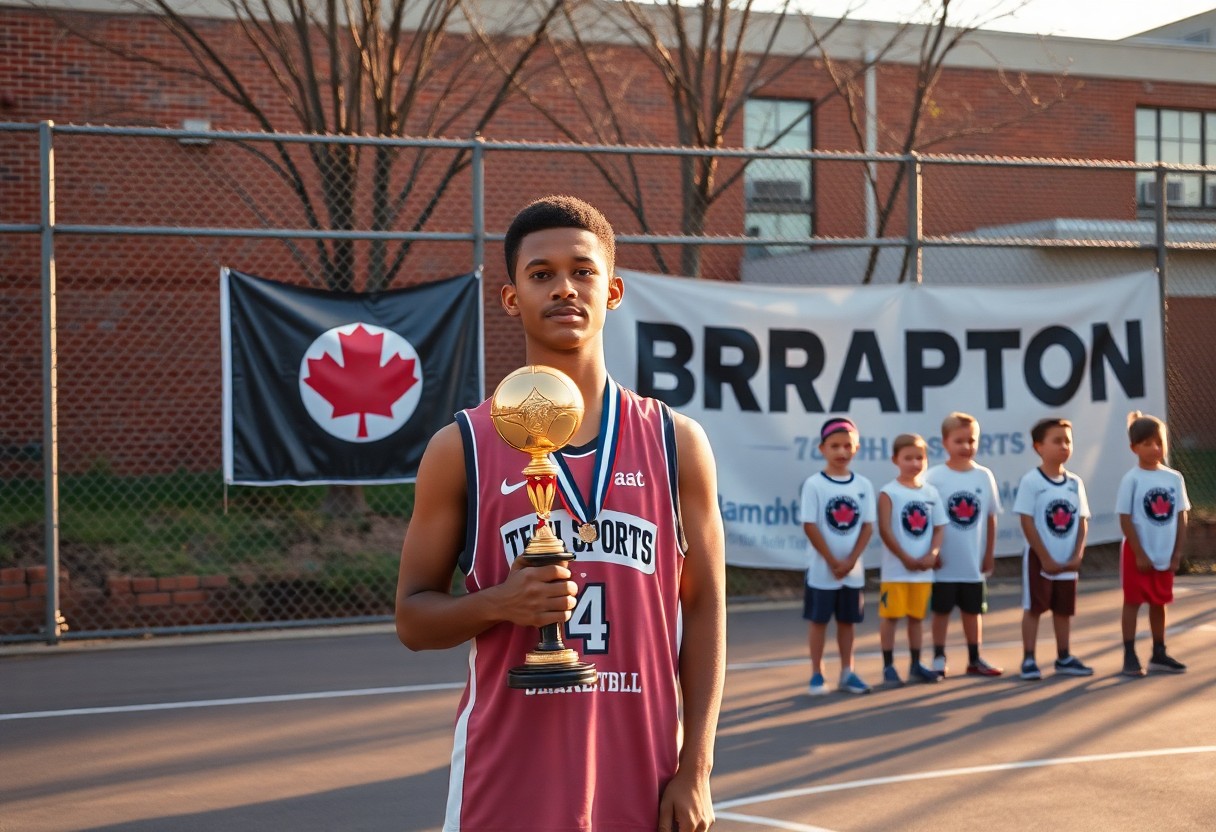
Across Brampton’s fields and rinks, you can point to measurable progress: with a metro population of roughly 656,480 (2021), local clubs and school programs have helped dozens of athletes advance to U SPORTS, NCAA, and professional academies over the last decade, while para-athletes and gymnasts have medalled at national events. You’ll spot concrete pathways where community coaches moved players from U10 rec leagues to provincial squads within 4-6 years, proving your program models work.
Local Heroes and Their Journeys
Consider a soccer player who joined a neighbourhood rec program at 8, made the city select team at 14, and earned a U SPORTS scholarship at 18 after scoring 12 goals in their final youth season; you followed the same progression with a wrestler who won provincial gold at 17 and then coached at a local high school. These case studies show how your coaching, targeted skill camps, and summer showcases translate into scholarship offers and provincial team selections.
Impact on the Community
You see the ripple effects: tournaments hosted in Brampton bring hundreds of visiting families, increase facility use, and create volunteer opportunities that engage parents and alumni; former athletes returning as coaches or mentors contribute dozens of weekly volunteer hours, and local schools report higher sport participation rates after successful club seasons.
Digging deeper, you can leverage these success stories to secure funding and partnerships-provincial sport bodies and local businesses are more likely to sponsor programs when you document athlete progress, and investment in turf fields and lighting has expanded year-round training, letting you scale summer camps and elite clinics to reach more youth.
Getting Involved: How to Support Youth Sports
When you want to make an immediate impact in Brampton youth sports, start by targeting roles that match your schedule-coaching 2-4 hours per week, running weekend clinics, or helping with equipment and field setup. Municipal hubs like Chinguacousy Park and Brampton Recreation run year-round leagues that regularly seek volunteers, and clubs often list openings online; joining one effort can boost retention, lower registration costs, and improve program quality for dozens of kids each season.
Opportunities for Parents and Guardians
You can serve as an assistant coach, team manager, scorekeeper, or snack coordinator to directly support your child’s team; typical commitments are two weeknight practices and one weekend game. Many organizations require a police record check and Rowan’s Law concussion awareness, and uptake of parent-led roles often raises participation rates by 10-30% while building stronger team culture and on-field development for younger age groups.
Ways to Volunteer and Sponsor Programs
You may volunteer as a head coach, referee, fundraiser, or equipment coordinator, or sponsor teams through jersey logos, equipment donations, or facility rental subsidies. Local businesses commonly sponsor youth teams with contributions ranging from $250-$2,500 per season; in-kind support like practice space, water bottles, or discounted gear can be equally valuable and visible at tournaments and community events.
To get started, contact your local club or Brampton Recreation, submit a volunteer application and police/vulnerable sector check, then complete NCCP basics or online coach orientation and concussion modules. For sponsors, request a simple proposal: cost to outfit a team (jerseys and basic gear) often runs $500-$1,500, while targeted donations (balls, nets, cones) typically cost $100-$400-both clear, trackable ways to show impact and secure signage or program recognition.
Summing up
Presently you can shape Brampton’s athletic future by teaching sports with clear methods, firm discipline, and inclusive coaching that develops skills and character. You will provide safe facilities, consistent feedback, and pathways for progression so your athletes grow technically and mentally. By investing your time and expertise you help build confident, resilient young competitors who sustain community pride and long-term sporting success.
