
There’s a practical, step-by-step approach to teaching sports in Brampton that helps you plan sessions, manage safety, and build confident athletes; this guide shows you how to use local facilities and leagues, adapt drills by age and skill, secure certifications, communicate with parents and players, and foster inclusion and sportsmanship so you can run effective practices and support long-term athlete development in your community.
Understanding the Basics of Coaching Sports
Start by focusing on age-appropriate structure: for ages 6-12 keep sessions 45-60 minutes emphasizing fundamental movement, while older youth can handle 75-90 minute practices with tactical work. You should build progressive skill blocks-warm-up, technical work, small-sided play, cool-down-and measure progress with simple metrics like 20m sprint times, dominant-hand accuracy out of 10, or skill checklists every 4-6 weeks to track improvement objectively.
Key Principles of Effective Coaching
Plan sessions with clear outcomes and use a 20:80 instruction-to-activity ratio so athletes spend most time practicing. Give specific, timed feedback-limit corrections to one or two cues per rep-and set SMART goals (e.g., increase successful passes by 15% in six weeks). Maintain safety protocols, adapt drills for differing skill levels, and use repetition with variation to build durable skills.
The Role of Communication in Coaching
Clear, concise cues and consistent terminology reduce confusion; use short phrases like “step, extend” for technical skills and two-minute micro-coaching between reps. You should combine demonstration, visual cues, and one-on-one check-ins; aim for weekly 5-10 minute athlete reviews and keep team talks under five minutes to retain focus and maximize on-field practice time.
Use targeted techniques to deepen understanding: ask an athlete to “teach back” a skill to confirm comprehension, record short video clips for instant playback, and employ simple metrics-success rate out of 10 or completion time-to make feedback objective. Tailor language by age (under 10: gestures and single cues; 11-14: brief tactical explanations) and schedule formal progress checks every 4 weeks to align communication with measurable development.
Factors to Consider When Choosing Sports for Youth
When choosing a sport in Brampton, weigh facility access, seasonal weather, travel time and program intensity; indoor rinks and turf fields reduce cancellations and extend usable months. You should assess time commitment-recreational leagues often require 1 practice + weekend games, while competitive pathways expect 2-4 weekly sessions and 20-40 games per season-and budget $100-$1,200 annually depending on level. This helps you choose a sustainable option for your child’s development and your family’s schedule.
- Age and developmental stage
- Your child’s interests and natural skills
- Facility availability and travel time
- Cost, time commitment, and season length
- Coaching quality, safety, and equipment needs
Age Appropriateness of Sports
Match activities to motor and cognitive stages: ages 5-7 benefit from free play and basic coordination drills, ages 8-11 can handle structured rules and position learning, and ages 12-15 adapt to strength, strategy and longer sessions; for example, U8 soccer in Brampton uses 3v3 formats and 45-60 minute practices to maximize touches and attention spans.
Assessing Individual Interests and Skills
Talk with your child about what they enjoy-competition, social play, or skill mastery-and run simple checks like a 30m sprint, single-leg balance for 20-30 seconds, and 60-second ball dribble counts to gauge speed, balance and coordination; use those observations to align programs with both fun and measurable growth.
Use repeatable metrics to build a baseline: record 10m/30m sprint times, single-leg balance duration, and a ball-control drill over 6-8 weeks to track improvement. If your child prefers variety or shows uneven skills, keep them in multi-sport environments until roughly 12-13; if they outperform peers, express clear goals, and want focused training, target competitive programs with qualified coaches and a graduated 2-4 practice weekly plan.
How to Develop a Coaching Plan
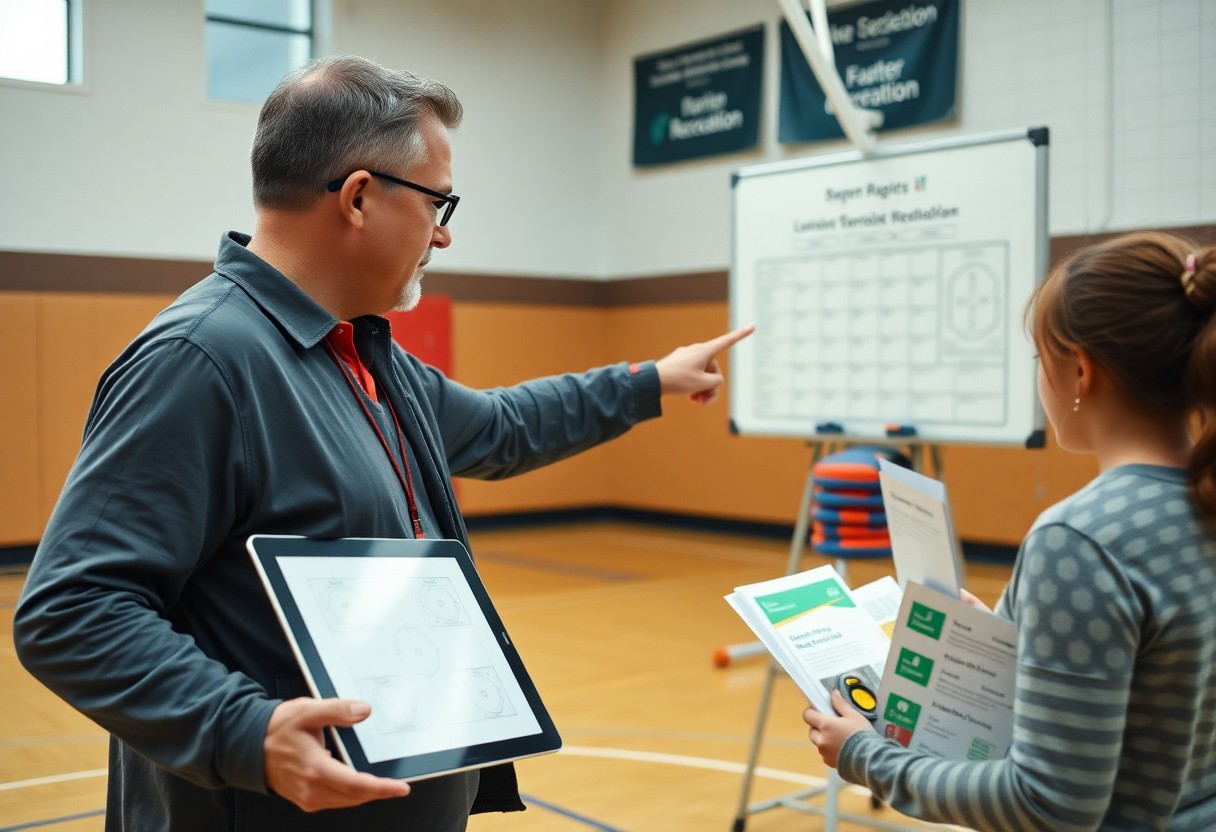
You should break the season into phases-preseason (4-6 weeks), in-season (8-16 weeks) and off-season (6-12 weeks)-and map weekly microcycles that progress skill difficulty by about 10-20% each week. Use a mix of technical, tactical and conditioning targets with a 60/30/10 practice emphasis for U12+ (60% skill, 30% tactical, 10% conditioning) and adjust for younger players toward play-based learning.
Setting Goals and Objectives
You can set SMART goals: specific, measurable, achievable, relevant and time-bound-e.g., improve team possession from 42% to 55% over 10 matches or reduce 40m sprint time by 0.5s in 8 weeks. Combine team KPIs (win rate, goal differential) with individual metrics (pass accuracy, successful tackles) and review progress every two weeks using simple stats or video clips.
Structuring Practices and Learning Sessions
You should design a 60-minute session template: 10-15 minute dynamic warm-up, 20-25 minutes focused skill drills (progressions from closed to open), 15-20 minutes small-sided games emphasizing tactical objectives, and a 5-10 minute cool-down with debrief. For U8-U10 keep drills <12 minutes and emphasize repetition through play; for U14+ increase tactical reps and conditioned scrimmages.
For extra detail, prepare 3-4 session templates per week (technical, tactical, recovery, game-prep) and rotate them across a 4-week cycle. Use a coach-to-player ratio of 1:10 for drills, integrate real-game scenarios in at least one drill per session, record one practice per month for video feedback, and track two primary KPIs per player to guide individualized progressions.
Tips for Engaging Parents in the Sports Program
You can increase buy-in by offering specific, time-limited tasks (e.g., 1-hour game shifts), sending weekly 2-3 line updates, and tracking impact with simple metrics; a Brampton baseball club saw parent-led attendance rise 35% after introducing a digital sign-up and monthly impact report. Any effective approach combines clear expectations with visible results.
- You should offer micro-volunteering roles (scorekeeper, equipment manager) to lower the barrier to entry.
- Use tools like TeamSnap or Google Forms to simplify scheduling and reduce no-shows by up to 20%.
- Host one 45-minute parent orientation each season to align expectations and safety procedures.
- Provide regular, data-driven updates (attendance, skill progress) so parents see the return on involvement.
Importance of Parental Support
You influence retention, behavior, and skill growth: squads with active parent participation often report 15-30% higher season completion and more consistent practice attendance. For example, a volunteer-driven Brampton hockey program reduced cancellations by 30% after parents committed to rotating administrative duties, which freed coaches to focus on training.
Strategies for Involving Parents
Offer defined roles, staggered time slots, and short training sessions-advertise tasks by time commitment (15, 30, 60 minutes) and use a sign-up calendar so parents can commit around work; combining a digital rota with in-person onboarding has reduced volunteer dropout in many clubs. Share clear impact metrics so parents know how their time helps player development.
You should also create low-effort entry points: one-off game-day roles, snack coordination, or photo/video duties work well. Track participation with a simple spreadsheet or app, publicly acknowledge contributors monthly, and address barriers such as childcare with rotating solutions. Any small accommodation often converts occasional helpers into regular supporters.
How to Foster a Positive Team Environment
You can set clear team values by posting 3-5 core principles (effort, respect, accountability) and reinforcing them with rituals: 10-minute post-practice debriefs, a rotating captain every three practices, and one monthly community service or social event. Use a 3:1 praise-to-correction ratio, maintain a simple locker-room behavior chart, and track attendance and effort with a weekly checklist so you can measure progress and adjust coaching strategies.
Building Team Camaraderie
You should build bonds with targeted activities: open practices with two-minute icebreakers, run paired drills and small-team competitions, assign peer mentors for younger athletes, and schedule one team meal or volunteer day per month. Mix skill levels in scrimmages to break cliques, rotate practice groups weekly, and celebrate contributions publicly with a short “shout-out” board or a weekly “Team Spirit” token to reinforce inclusion.
Promoting Sportsmanship and Respect
You must model and teach respectful behavior through specific routines: require postgame handshakes, role-play conflict scenarios during two 20-minute sessions each season, and apply a clear consequences ladder (verbal warning, benching after a second offense). Praise sportsmanlike acts publicly, correct lapses privately, and include sportsmanship criteria in playing-time discussions so players understand expectations tied to opportunities.
You can operationalize respect by tracking incidents in a shared spreadsheet, presenting monthly metrics to players and parents, and introducing a “Respect Ticket” incentive where tokens earned for fair play convert into leadership privileges. Require a signed parent-player code at season start and run two short workshops on conflict resolution; when you apply these consistently, you create transparent standards, stronger accountability, and greater parental buy-in.
Tips for Handling Challenges and Conflicts
When challenges appear, you should set firm, simple rules and practice consistent enforcement so players know expectations; for example, post a three-point code of conduct and review it in the first 10 minutes of every session. Use short, structured de-escalation-pause, label the behavior, redirect into a drill-and keep an incident log for repeat issues, noting dates, witnesses, and actions taken to protect fairness and transparency.
- Post clear rules and consequences where you meet and review them at every first practice.
- Teach a 3-step de-escalation (pause, name the emotion, offer a corrective action) and rehearse it in drills.
- Any escalation should trigger immediate separation, a written incident note, and a 48-hour cooling-off before a return-to-play discussion.
Managing Disputes Among Players
You should address player disputes with fast, structured interventions: give two verbal warnings, then a 3-5 minute cool-down on the sideline, followed by a 1:1 mediated chat where each player states facts for 2 minutes. Use peer-led resolution once a month-assign a captain to facilitate apologies and restitution-and document repeat incidents; for teams of 8-12 players, this routine cuts recurring conflicts and keeps practice time productive.
Addressing Parental Concerns
You should respond to parent concerns within 24-48 hours with a short, scheduled meeting (10-15 minutes), bringing your written team policy and any incident notes. Start the conversation by restating the complaint, offer one or two concrete actions (e.g., review film, adjust playing time, or set a behavior plan), and confirm next steps in email so there’s a clear record.
When tensions escalate, you should use a standardized process: ask the parent to email the concern with dates and witnesses, propose a single coach-parent meeting per issue, and avoid ad-hoc sideline debates. Offer a neutral third-party (league rep) after two unsuccessful meetings, and keep all summaries under 200 words in your records; this creates accountability and reduces repeated confrontations while protecting players and coaches.
Final Words
Summing up, when teaching sports in Brampton you should prioritize safe, age-appropriate skill progression, clear communication, consistent feedback, and community engagement. Use local resources, respect cultural diversity, and balance competition with fun to keep kids motivated. With structured planning and ongoing learning, you will develop confident athletes and supportive teams that strengthen both individual growth and local sports culture.
