
Brampton offers a diverse selection of top-tier sports facilities and buildings that you can rely on to meet competitive, recreational, and training needs; this guide gives you clear criteria to evaluate venues, highlights must-visit complexes, and advises on booking, accessibility, and amenities so you can optimize your next game, practice, or event with confidence.
Types of Sports Buildings in Brampton
| Indoor Arena | CAA Centre – ~5,000-seat arena for hockey, concerts and large tournaments; you can rent ice time or event dates for weekend competitions. |
| Community Recreation Centres | Facilities with one or two ice pads, multipurpose halls and pools; many host local leagues and drop-in sessions you can join weekly. |
| Indoor Turf Domes | Year-round full-size or 7v7 turf domes offering climate-controlled play; you can book blocks for leagues or training sessions regardless of season. |
| Specialty Facilities | Climbing gyms, squash and indoor court complexes with two-four courts; you can reserve lanes, coaching sessions, or club rentals. |
| Outdoor Complexes | Multi-field soccer and baseball complexes with 3-10 fields, LED lighting and bleachers; you can host tournaments drawing hundreds of players on weekend schedules. |
- Arenas handle large crowds and seasonal ice sports.
- Turf domes keep soccer and lacrosse active through winter.
- Community centres combine rinks, pools and fitness spaces for year-round programming.
- Outdoor complexes provide multi-field setups for tournaments and weekday league play.
- Knowing which facility matches your team size and scheduling needs saves time and optimizes cost.
Indoor Facilities
You’ll find a mix of large arenas and smaller community rinks: the CAA Centre (~5,000 seats) covers big events, while local centres typically offer one or two pads plus meeting rooms. Turf domes supply full-size or 7v7 fields, and indoor courts support basketball and volleyball leagues. Booking peak evenings and weekend slots is common, so you should plan 4-8 weeks ahead for regular league space or tournament weekends.
Outdoor Facilities
You can use grass or FIFA-sized turf fields (11v11: ~100-110m × 64-75m) across multi-field complexes that often include lighting and seating for several hundred spectators. Many venues run from April to October, support portable scoreboards and have parking for buses, making them ideal for weekend tournaments or evening league play under lights.
For more detail, you should note that tournament-ready complexes often feature LED lighting, drainage systems and concession pavilions; typical regional tournaments book 8-32 teams across 2-3 full days and require field allocation and refs planned 6-12 weeks in advance. You’ll also want to check turf certification and amenity lists (washrooms, changerooms, parking) before committing a large event.
Key Factors to Consider
You should weigh capacity, surface type, scheduling flexibility and hourly rates when comparing Brampton sports buildings. CAA Centre suits larger crowds (≈5,000 seats) while community rinks and turf centres typically host 100-1,500 spectators. Check recent maintenance records, rental terms and insurance requirements before booking. Any choice must balance accessibility, amenities and your event budget.
- Capacity and seating configuration
- Playing surface: ice, turf, hardwood
- Availability and rental blocks
- Parking, transit access and drop-off zones
- On-site services: concessions, changerooms, medical space
- Cost, deposit and cancellation policies
Location and Accessibility
Many top Brampton venues sit within 10-20 minutes of Highway 410 and are served by Brampton Transit, Züm and nearby GO stations, so you should check peak-hour transit schedules and event-day traffic patterns. Assess walking routes from parking to entrances, coach drop-off zones and accessible ramps to ensure participants and fans can arrive and exit efficiently.
Amenities and Services
You should confirm whether locker rooms, spectator seating, concession options and Wi‑Fi are included in your rental; venues like the CAA Centre and larger turf facilities offer corporate suites and full concessions, while smaller community rinks may limit services. Ask what staffing, janitorial support and equipment rentals are provided versus billed separately.
Also inspect technical and support details: lighting quality for broadcast or photos, scoreboard and PA systems, on-site medical or physio availability, catering rules, and vendor policies. Verify maintenance schedules, HVAC performance for summer camps, and whether the venue allows external vendors or requires in-house providers to avoid surprise fees.
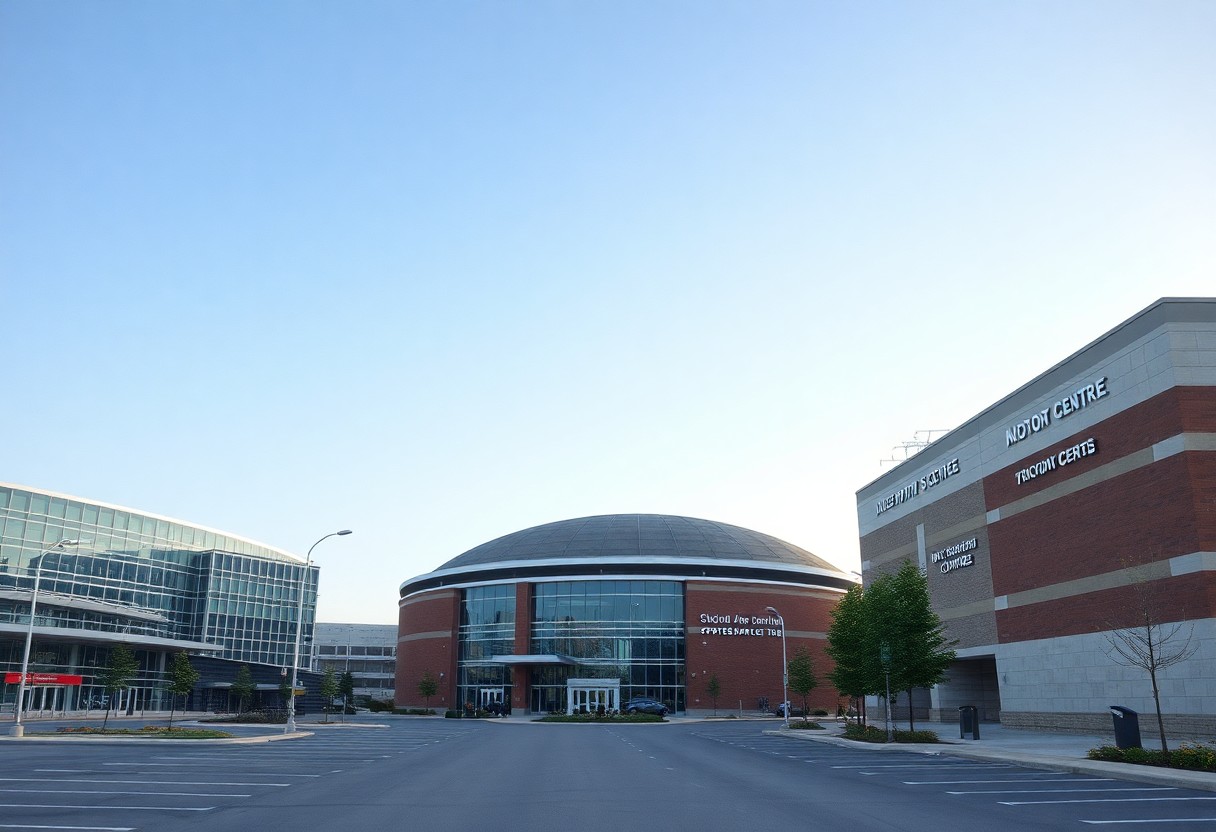
Pros and Cons of Popular Sports Buildings
Pros and Cons Overview
| Pros | Cons |
|---|---|
| Arena: You gain large-event revenue; CAA Centre seats ≈5,000 for tournaments and concerts. | Arena: You face high seasonality and staffing costs for ice maintenance and events. |
| Community Centre: You can host dozens of weekly programs, boosting local participation. | Community Centre: You must balance diverse user needs, creating scheduling conflicts. |
| Turf Dome: You get year-round play and steady league bookings despite winter conditions. | Turf Dome: You absorb HVAC and membrane repair costs and occasional deflation risks. |
| Aquatic Centre: You attract lessons, therapy and competitions, increasing weekday utilization. | Aquatic Centre: You carry high lifeguard staffing and chemical/filtration expenses. |
| Multi-Sport Complex: You offer flexible courts/fields for tournaments, driving rental income. | Multi-Sport Complex: You often encounter capital bills-construction commonly exceeds $10M for full builds. |
| Climbing Gym: You capture dedicated memberships and classes with relatively small footprints. | Climbing Gym: You need specialized insurance and continuous wall maintenance. |
| Outdoor Fields: You benefit from low capital cost and natural turf appeal for weekend leagues. | Outdoor Fields: You depend on weather, limiting play to warmer months or costly irrigation. |
| Indoor Tennis / Courts: You enable year-round training and high hourly rental rates. | Indoor Tennis / Courts: You must manage lighting, humidity, and wear on playing surfaces. |
Advantages
You get diversified revenue streams: arenas like CAA Centre (≈5,000 seats) host sports and concerts, turf domes keep leagues running through winter, and aquatic centres attract lessons and rehab programs. When you program efficiently-mixing rentals, leagues, and events-you can maximize hourly utilization, increase memberships, and secure sponsorships that offset operating costs.
Disadvantages
You confront steep upfront and operating costs: full multi-sport builds often top $10M, ice and pool systems drive high utility bills, and specialized equipment requires regular replacement. If your scheduling fails to hit utilization targets, debt servicing and subsidies quickly erode municipal or operator budgets.
You also manage complex operational risks: seasonal demand swings force you to vary staffing and programming, HVAC failures or turf degradation can shut bookings for days, and insurance for contact or adventure sports raises premiums. Planning for lifecycle maintenance and contingency reserves is vital if you want the facility to stay viable long-term.
Tips for Choosing the Right Sports Building
Prioritize measurable specs: ceiling heights of 25-30 ft for basketball and 18-22 ft for volleyball, turf modules of 10-15 mm pile height for soccer training, and lighting levels around 500-750 lux for competition courts. You should evaluate access (ample parking for 150-300 cars), HVAC capacity for 200-400 occupants, and site grading that avoids costly excavation. Consider examples like retrofitting a 20,000 sq ft warehouse into multi-use courts to save 20-40% versus new builds.
- Location & transit access
- Capacity and ceiling height
- Surface type and line markings
- HVAC, ventilation and dehumidification
- Lighting levels and acoustics
- Zoning, permits and parking
Assessing Your Needs
Start by defining programs: youth leagues, adult leagues, rentals, or tournaments dictate floor space-tournaments often need 3-6 courts (each ~4,700 sq ft). You should map weekly scheduling to estimate peak occupancy (e.g., 300 participants on weekend afternoons) and choose single-use surfaces if you need elite competition standards, or modular surfaces for multi-sport flexibility.
Budget Considerations
Expect wide cost ranges: prefabricated steel buildings commonly run $35-$75 per sq ft, while insulated wood or hybrid systems can be $75-$150 per sq ft depending on finishes. You need to factor soft costs-design, permits, site work-which typically add 15-25% of construction, plus annual maintenance averages of $1.50-$5.00 per sq ft.
Factor lifecycle expenses when comparing options: lighting upgrades to LED can reduce electrical consumption by roughly 40-60%, and efficient HVAC with heat recovery often cuts heating costs by 20-30%. You should obtain three detailed bids, request performance specs (e.g., ACH, lux levels), and model operating costs over 10-20 years to see true total cost of ownership.
Assume that you allocate a contingency of 10-15% for unforeseen site or code issues and build a 20-year maintenance and replacement schedule into your financial plan.
Step-by-Step Guide to Booking a Sports Facility
| Step | Action |
| Research | Compare surface type, capacity, hourly rate ($50-$200/hr), and peak availability |
| Check Availability | Use online calendars or call facility managers for evenings/weekends |
| Confirm Policies | Verify deposit, cancellation window (48-72 hrs), insurance ($2M GGL common) |
| Reserve | Sign contract, pay deposit (often 25-50%), get written confirmation |
| Prepare | Schedule setup, equipment delivery, and a pre-event walkthrough |
Researching Options
When you research venues, compare three to five sites by surface (turf, hardwood, ice), spectator capacity, and hourly rates-many Brampton facilities range from about $60-$180/hr; check online calendars for prime slots like weekday evenings and weekend mornings. Use Google Maps reviews, facility photos, and league feedback; note access needs such as parking for 50+ cars, changeroom counts, and proximity to transit so you can shortlist venues that fit your headcount and budget.
Making Reservations
After you pick a venue, you should request available dates and a written quote, then confirm deposit and cancellation terms-common deposits are 25-50% and insurance of $2 million is often required; expect a confirmation email within 24-48 hours and save the contract PDF in your event folder.
Before signing, inspect the contract line-by-line: verify date/time blocks, overtime rates (typically 1.5x hourly after scheduled end), liability limits, staff/security requirements, and any added fees for equipment or cleaning. You can often hold a date with a credit card authorization or refundable deposit; follow up with a site visit to log outlet locations, gate codes, and room dimensions. Finally, set calendar reminders for final payment deadlines (usually 7-14 days before) and send the facility a contact list for the day-of coordinator to avoid last-minute issues.
Frequently Asked Questions
Common Concerns
Parking and peak-time availability top the list for Brampton venues; you’ll often find evenings and weekends fully booked. You can avoid conflicts by booking 30-90 days ahead, choosing weekday mid-morning slots, or using smaller community gyms. Many centres post maintenance and ice-resurfacing schedules; ask about refundable cancellation fees (typically $25-$100) and equipment storage options before committing.
Helpful Resources
City of Brampton’s online recreation portal, facility Facebook pages, and Google Maps give hours, capacity, and booking links quickly, so you can compare sites fast. Provincial sport associations and local leagues list approved venues and equipment standards, while program coordinators can confirm staffing, floodlighting, or field lining needs before you book.
Use the portal’s filters to narrow by gym, rink, or turf and watch seasonal registration windows in spring and fall; many facilities open league slots 6-12 weeks before a season. Subscribe to facility email alerts, join local Facebook groups for last‑minute court swaps, and call the facility manager so you can verify accessibility features, AV availability, or load‑in access for events.
Final Words
Summing up, this guide equips you with clear evaluations of Brampton’s best sports buildings, so you can choose venues that fit your team’s size, budget, and training goals. Use the facility features, scheduling tips, and contact details provided to streamline bookings and optimize your practices and events for consistent performance.
