
Kids thrive on physical activity, and teaching them sports can be an enjoyable way to keep them engaged while promoting their health. In Brampton, you can introduce various fun sports that not only develop their skills but also foster teamwork and discipline. This guide will provide you with effective strategies to create an exciting sports environment, ensuring your children stay active and enthusiastic about physical fitness.
Sparking Interest: Engaging Kids in Sports
Kids thrive on excitement and exploration, making it imperative to spark their interest in sports through engaging activities. When they connect with a sport that resonates with them, their enjoyment and participation levels soar. Offering diverse options, such as team sports, individual contests, and alternative activities like dance or martial arts, allows them to discover what ignites their passion. You can also promote sports in a playful manner, incorporating games and challenges that highlight skills while maintaining a light-hearted atmosphere.
Interactive Sports Exploration: Finding What’s Fun
Encourage kids to explore various sports in an interactive manner, allowing them to dabble in different skills, techniques, and games. Organizing mini-sport days where they can sample soccer, basketball, or swimming fosters a playful environment that invites experimentation. By blending skill-building with fun, you can help them identify the sports they genuinely enjoy, paving the way for lifetime engagement and fitness.
Utilizing Local Community Resources and Events
Leveraging community resources and events creates opportunities for kids to engage in sports beyond organized teams. Local parks, recreation centers, and community leagues often host free or low-cost events suitable for all ages. Participating in these activities helps kids stay active while socializing and making new friends, enhancing their overall experience in sports.
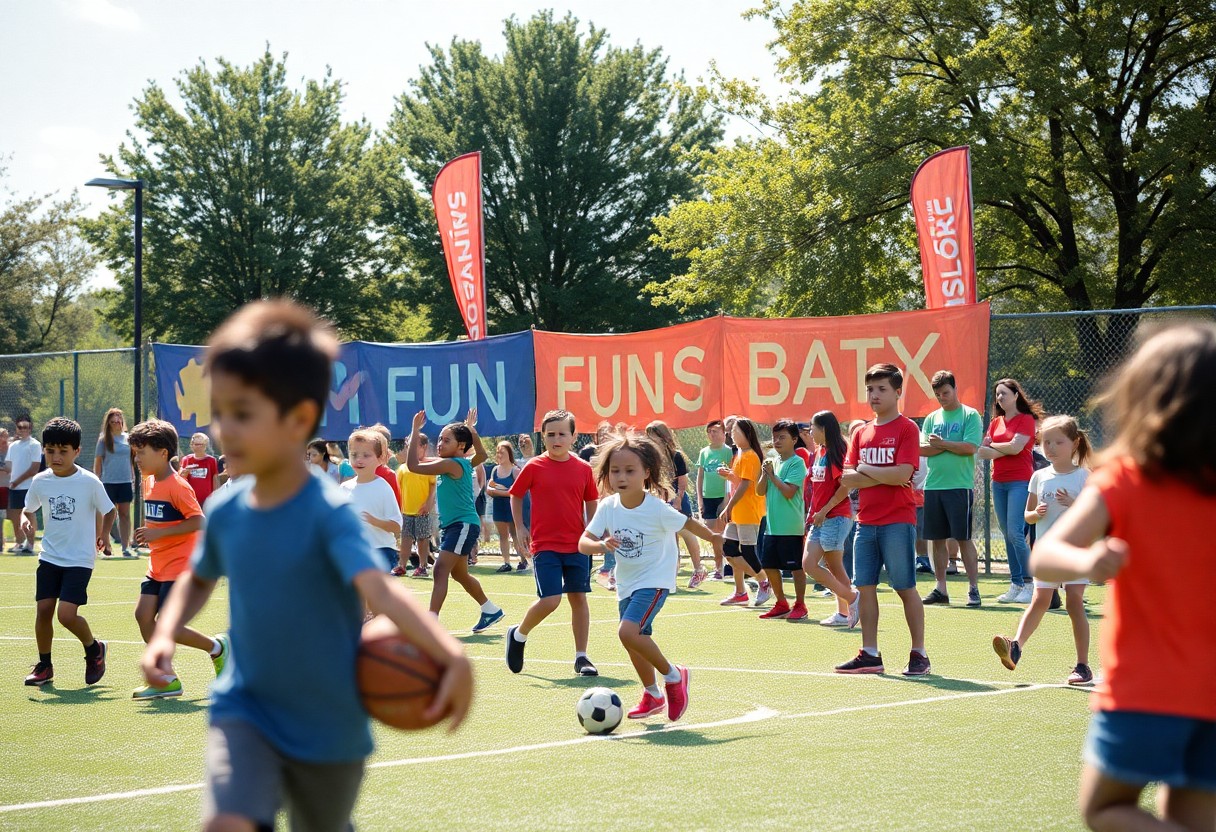
Local initiatives often offer after-school programs, weekend clinics, or seasonal sports camps designed to introduce kids to various activities at minimal cost. For instance, Brampton’s recreational facilities provide numerous opportunities for kids to try their hands at sports like hockey, soccer, and tennis through seasonal programs. Community events like fun runs or sports festivals allow your kids to participate alongside peers, sparking excitement and fostering camaraderie. Engage with these resources not only to keep them active but also to immerse them in a supportive environment that emphasizes the joy of physical activity.
The Art of Teaching: Making Sports Accessible
Teaching sports in a way that feels accessible and enjoyable opens the door for all children to participate, regardless of skill level. By focusing on inclusivity, you encourage young athletes to explore their abilities without the pressure of competition. Incorporating a variety of activities ensures that everyone finds something they connect with, allowing enjoyment to flourish alongside skill development. When sports are taught in a friendly, inviting atmosphere, children feel empowered and are more likely to engage actively.
Tailored Coaching Techniques for Young Learners
Adapting coaching techniques to fit the diverse needs of young learners enhances their experience and fosters growth. Focus on individual strengths, using positive reinforcement to build confidence. Simplifying instructions and breaking down skills into manageable tasks keeps kids engaged and less overwhelmed. By incorporating varied teaching styles—visual, auditory, and kinesthetic—you cater to different learning preferences, ensuring every child can thrive in the sports environment.
Fun Drills and Games: Learning Through Play
Incorporating fun drills and games into practice sessions transforms learning into an exciting adventure. By using playful activities, you encourage kids to embrace new skills without the pressure of traditional drills. Games like “Sharks and Minnows” or “Capture the Flag” not only incorporate important skills but also promote teamwork and communication. This dynamic approach keeps children moving and allows them to discover their love for sports in a relaxed setting.
Fun drills can include a wide range of activities—such as obstacle courses that enhance agility and coordination, or relay races that develop speed and teamwork. These games can also be tailored to incorporate fundamental skills specific to the sport being taught. For instance, a soccer-based drill could involve dribbling through cones while competing against peers, imbuing a sense of friendly rivalry while honing important techniques. Such engaging methods ensure young athletes remain enthusiastic and invested in their athletic journey.
Building Confidence: The Psychological Aspect of Sports
Confidence in children often grows through participation in sports, allowing them to experience success and failure in a supportive environment. Engaging in sports helps kids develop resilience, learn about teamwork, and recognize their unique strengths. When you guide them through challenges and celebrate their achievements, they build a healthy self-image that translates into other areas of life, fostering a lifelong love for physical activity.
Encouraging a Growth Mindset: Celebrating Effort Over Outcome
Fostering a growth mindset encourages your child to value effort over the end result. By praising their hard work and dedication instead of just victories, you help them embrace challenges and view setbacks as opportunities to learn. This approach builds resilience, leading your child to engage more fully in sports without the fear of failure.
Creating a Supportive Team Environment
A supportive team environment cultivates a sense of belonging among young athletes. Encouragement from coaches and teammates fosters camaraderie and creates a positive atmosphere. Highlighting team successes and providing constructive feedback helps build trust and understanding, allowing kids to thrive. Your role in promoting inclusivity ensures that every child feels valued and motivated to contribute, ultimately enhancing their performance and enjoyment.
To enhance the supportive team environment, focus on team-building activities that strengthen relationships both on and off the field. Encourage communication, collaboration, and mutual respect among players. Organize fun bonding events, like team outings or friendly competitions, where they can connect outside of structured practice. This rapport not only increases motivation but also instills a sense of responsibility towards one another, improving teamwork during games.
The Role of Parents and Guardians: Allies in Activity
Parents and guardians play a vital role in keeping kids active by fostering an environment that encourages participation in sports. Their support can not only enhance motivation but also create a positive atmosphere where children feel empowered to engage in physical activities. Encouraging regular family involvement in sports events sends a strong message about the importance of health and well-being, leading to lifelong habits.
Strategies for Involving Families in Sports Participation
Involving families in sports participation can be achieved through organizing family sports days, encouraging parent-led practices, and providing transportation to events. Setting up a volunteer program that allows parents to help during practice or games fosters community and builds relationships between families. Additionally, establishing regular communication about upcoming events and activities keeps everyone engaged and committed.
Communicating the Benefits: Health, Teamwork, and Social Skills
Highlighting the benefits of sports participation helps families understand the value of keeping kids active. Regular physical activity promotes overall health, while teamwork teaches imperative social skills. As children learn to collaborate with teammates, they also enhance their communication skills and build lasting friendships, creating a supportive network outside of sports.
Sports involvement leads to numerous positive outcomes. Studies show that kids participating in team sports have improved cardiovascular health and lower rates of obesity. Beyond physical attributes, the social aspects of sports contribute significantly to emotional development. Engaging with peers fosters collaboration and conflict resolution skills, which are invaluable in both school and personal settings. By sharing insights into these benefits, you can help parents recognize that sports represent more than just play; they’re a foundation for holistic growth in children.
Maintenance of Interest: Keeping Kids Active Long-Term
To maintain kids’ enthusiasm for sports, introduce new activities regularly and celebrate their achievements, no matter how small. Encourage them to explore various sports throughout the year, as this variety prevents stagnation and keeps motivation high. Organizing friendly competitions or themed sports days can also enhance their excitement, allowing them to connect with peers and develop teamwork skills. Tailoring activities to your child’s interests fosters a lifelong love of being active, setting the stage for continued participation.
Transitioning from Casual to Competitive Play
As your child grows more skilled and confident, gradually introduce them to competitive play. This shift should feel natural and exciting rather than pressured. Allow them to participate in local leagues or clubs that match their ability levels, emphasizing fun and effort over results. By framing competition as an opportunity for growth and camaraderie, you help your child embrace challenges positively and enjoyably.
Preventing Burnout: Variety and Breaks
To combat burnout, integrate diverse activities and scheduled breaks into your child’s routine. Children should engage in multiple sports throughout the year, providing mental and physical rest. Periods of rest between seasons allow them to recharge and prevent fatigue. Encouraging hobbies outside of sports also nurtures personal development and keeps their passion alive.
Offering a mix of sports during the year allows your child’s interests to evolve while shielding them from monotony. For instance, switch from team sports to individual ones like swimming or martial arts as seasons change. Additionally, set aside downtime to recharge, ensuring your young athlete isn’t overwhelmed. This balance fosters a sustainable lifestyle, making fitness a natural and enjoyable part of their lives rather than an obligation. Encouraging exploration in both sports and other activities leads to well-rounded development and lasting enthusiasm for an active lifestyle.
Final Words
Following this guide, you can effectively teach sports in Brampton in a way that engages your children and fosters a love for physical activity. By implementing fun, age-appropriate sports programs, you not only keep kids active but also promote teamwork and discipline. Emphasizing enjoyment over competition will help maintain their interest and encourage lifelong fitness habits. Utilize local resources, and be open to feedback to continually improve their sports experience. Making sports enjoyable will set the foundation for a healthy lifestyle you will be proud to support.
