
Sports in an indoor complex give you year-round access, professional coaching, and climate-controlled facilities that help you sharpen skills, maintain fitness, and expand your social network in Brampton. You benefit from multi-sport programming, flexible scheduling, safe and well-maintained courts and fields, and modern training equipment – all designed to accelerate progress and convenience for busy lifestyles. Joining also connects you with leagues, events, and local coaches who prioritize your development.
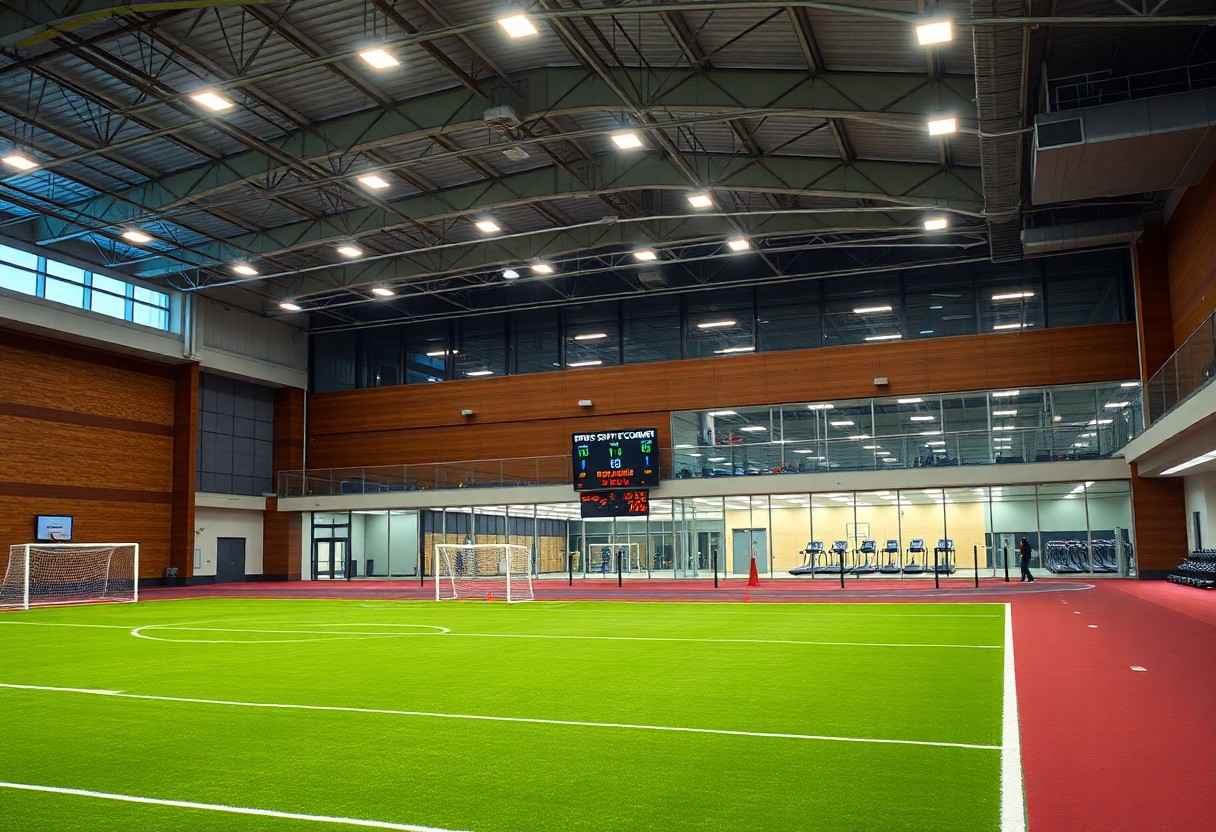
Benefits of Indoor Sports Complexes
You gain consistent, high-quality training environments-artificial turf, sprung hardwood courts, batting tunnels and recovery zones-so your skill development isn’t interrupted by weather. Many complexes exceed 20,000 sq ft and run 40+ weekly programs, offering coached clinics, leagues and performance testing that let you measure improvement in 6-12 week cycles. This structure reduces cancelled sessions and speeds progress compared with outdoor-only routines.
Year-Round Accessibility
Play and train 52 weeks a year without worrying about snow, heavy rain or extreme heat that often halts outdoor schedules. Facilities typically extend hours into evenings and weekends, so you can fit practice around work or school. Tournaments and camps also move indoors during winter months, keeping competitive calendars intact and letting you maintain conditioning through season transitions.
Diverse Sporting Options
Many complexes host a wide mix of activities-5-a-side futsal, full-court basketball, volleyball, pickleball, indoor baseball cages, lacrosse and field hockey-so you can cross-train or focus on a single sport. Multiple court layouts allow simultaneous leagues and drop-ins, and dedicated zones for youth and adults keep programming age-appropriate.
Digging deeper, you’ll find structured pathways: 6-8 week skill clinics for U6-U18 players, adult house leagues including masters 35+ divisions, private one-on-one coaching, and specialty camps during school breaks. Performance services like video analysis, speed/agility testing and strength zones are often available, letting you tailor training plans and track improvements with objective metrics.
Community and Social Interaction
You tap into a ready-made social calendar with weekly pickup sessions, 8-12 team recreational leagues, and seasonal tournaments that draw 150-300 local players. Facilities host social nights, charity matches, and coach-led clinics, so you meet teammates, neighbors, and volunteers quickly. Expect familiar faces at open-play hours and notice boards advertising carpools, coaching opportunities, and community fundraisers that keep you connected beyond the court.
Networking Opportunities
You meet entrepreneurs, tradespeople, and professionals through corporate leagues, business-only drop-in nights, and sponsor-hosted events. Many complexes run 10-12 week corporate seasons where teams of 6-10 players represent local firms, and post-game mixers regularly attract 30-100 attendees. Use those weekly games and volunteer roles to exchange referrals, recruit part-time staff, or find collaborators for community projects.
Family-Friendly Environment
Your whole family benefits from dedicated youth programs, parent-and-tot classes, and weekend family-play blocks; typical youth clinics serve ages 3-16 with groups of 8-12 kids per session. Facilities often offer supervised drop-in childcare during peak hours, family change rooms, and birthday packages, so you can train or play while your children learn fundamentals in a safe setting.
Program details matter: look for sites with staff-to-child ratios of 1:8 during camps, certified coaches for ages 6+, and family membership plans that bundle unlimited drop-in play, 8-10 weekly classes, and discounts on birthday rentals-sometimes saving families up to 20-25% versus à la carte pricing. You’ll also appreciate strict safety protocols, background-checked staff, and staggered class times that make attendance practical for busy parents.
Health and Fitness Advantages
Improved Physical Health
You can meet the WHO guideline of 150 minutes of moderate activity per week more consistently at an indoor complex, where scheduled leagues and drop-in sessions fit your calendar. High-intensity options like indoor soccer or spin classes burn roughly 400-800 kcal per hour, accelerating fat loss and improving VO2 max. Strength zones and coached drills also help you build functional strength, reduce injury risk, and track measurable progress with regular fitness assessments.
Mental Wellbeing Benefits
Regular participation boosts endorphins and serotonin, lifting mood for hours after a 30-60 minute session and lowering daily stress. Team play and group classes give you social connection-important because studies link community sport to better mental health and reduced feelings of isolation. You gain structured routine and accountability, which helps maintain consistency when life gets busy.
Diving deeper, you benefit from both acute and long-term psychological gains: a single 30-60 minute session often produces immediate reductions in anxiety, while consistent weekly participation (2-3 times) is associated with sustained improvements in mood, sleep quality, and resilience. Examples include coached leagues that combine skill drills with social time, boosting adherence compared with solo workouts, and indoor classes that measure progress through heart-rate zones and performance metrics-giving you tangible feedback that reinforces motivation and promotes lasting behavioral change.
Expert Coaching and Training
Experienced coaches combine sport-specific curricula with technology so you see measurable gains: many complexes keep a 1:8 coach-to-player ratio for small-group work, run 8-12 week development tracks, and use video analysis and wearable data to refine your technique and decision-making in real time.
Professional Guidance
Certified coaches (NCCP, CSCS, or equivalent) create individualized plans based on baseline testing-agility, sprint time, and shooting accuracy-so you receive targeted feedback, periodized training cycles, and weekly progress reports that align with your goals and competition schedule.
Skill Development Opportunities
Position-specific clinics, weekly technical sessions, and tactical video reviews let you focus on areas like finishing, ball control, or serve placement; typical offerings include 60-90 minute clinics, monthly match simulations, and specialized camps for ages 8-18 to accelerate your growth.
Programs often combine drills, live-game scenarios, and data tracking: for example, a striker clinic might include radar-measured shot-velocity drills, 1v1 finishing sequences, and post-session video breakdowns. You can expect a progression plan-two coached sessions per week plus a monthly scrimmage-with clear metrics (pass completion rate, sprint times, shot speed) to evaluate improvement over 6-12 weeks.
Special Events and Competitions
Events range from 8-16 team weekend tournaments to citywide championships, often scheduled over 2-3 days with pool play followed by single-elimination brackets. You can sign up as an individual free agent or a full roster; entry fees commonly run $150-$350 per team, and higher-tier events attract scouts, college recruiters, and sponsor prizes.
Tournaments and Leagues
Seasonal leagues typically run 8-12 weeks with 6-10 teams per division, offering rec, competitive, and masters tiers so you face opponents at your level. You’ll get fixed schedules, certified referees, and playoff weekends; youth divisions (U8-U18) often include coach-led skill sessions and promotion to higher divisions for standout teams.
Workshops and Clinics
Short clinics run 60-180 minutes with small-group ratios (often 6:1) to accelerate skill uptake. You can focus on position-specific work-goalkeeping, pitching, finishing-or physical components like agility and speed, and many sessions integrate video analysis, wearable-tracker feedback, and instruction from certified or former-pro coaches; drop-in rates are usually $20-$60.
To get tangible results you should opt for 4-6 week blocks that include baseline and post-assessments; for example, a six-week shooting clinic meeting twice weekly limits cohorts to 8-10 players, uses timed drills and video review, and often yields measurable gains-programs commonly report 10-25% improvement on standardized skill tests.
Affordable Membership Options
You can find memberships that fit tight budgets without sacrificing access: many Brampton complexes list monthly tiers from about $39-$79, annual plans around $399-$699, and single-session drop-ins between $8-$15. You’ll also see student and senior discounts, family bundles, and corporate packages that cut per-person costs. Memberships commonly include court time, open gym hours, and priority registration for leagues, so your regular use turns lower per-visit costs into tangible savings.
Flexible Pricing Plans
Flexible options let you tailor costs to how often you play: pay-as-you-go drop-ins, 10-visit punch cards, weekday-only passes, and unlimited monthly plans are standard. For example, a weekday unlimited for $29/month is ideal if you train during off-peak hours, while a 10-visit card at $90 saves about 25% versus $12 drop-ins. You’ll also find short-term trial passes and seasonal plans if you only need a few months of access.
Value for Money
You’ll quickly see where value comes from when you compare per-visit rates: if a drop-in is $12 and a monthly membership is $49, you break even after roughly five visits, so weekly play pays off fast. Memberships often bundle coach-led clinics, discounted league fees, and guest passes, meaning your routine use converts into measurable savings and more consistent development time.
More specifically, a prepaid 10-visit card priced at $90 reduces the per-visit cost to $9, and family plans-commonly offered around $119-$139/month for multiple members-can lower per-person costs by 40-60% versus individual drop-ins. You’ll also benefit from member-only perks like early signup for summer camps and discounted equipment rental, which add real value beyond just court access.
Final Words
With this in mind you should consider joining an indoor sports complex in Brampton this year because it gives consistent training, expert coaching, community connections, safe weather-independent facilities, and flexible schedules to fit your life, helping you improve skills, stay fit, and enjoy competitive and social opportunities while accessing modern equipment and organized programming.
